Sunday, August 30, 2020

The AMD and Intel MHz controversy


I've been into computers since I was like 10 years old, now 25. Ever since, I've always thought that Intel jacked up their clock speed to make it work faster than AMD processors for the average computer user. Until a few years ago, it's still what I did though that Intel tried to fool everyone. I now know what the difference is and that Intel is not lying about their clock speeds, they just had different factors that made it higher.

This post is aimed at people who share the same beliefs and set the record straight. This is by no means meant to be an in-depth article in pipelines and how cpu works etc. This is just to give you the basic idea behind why there is a difference between an AMD MHz and Intel MHz.

First, a MHz is a MHz, no matter what, there is no difference in any MHz. one MHz is a unit of measurement equivalent to one inch, feet, etc. One MHz is one million hertz, MHz is an abbreviation for megahertz. MHz is used to measure the transmission of data on electronic devices. Basically, 1 MHz means that the device can process the data one million times per second. Now let's move on to how AMD and Intel differ.

A computer program runs on your computer and sends instructions to the CPU to be executed. The program sends the instructions in sequence as 1,2,3,4,5, but the CPU can execute the instruction as such 3,4,1,2,5, this is called "execution of order". The CPU breaks down each instruction into pieces like 1a, 1b, 1c and so on, but the CPU may possibly execute 3a before 1a and 2a last because it is waiting for data from 1c. It gets very complicated and I could never explain how it all works. This is just so you understand that the CPU is very complex and the execution of programs is very complex.

Basically, this is where Intel and AMD differ. The speed difference comes from how fast the CPU can execute instructions out of order and how fast the chips can execute. Imagine that you need to build a brick garage and that you have 22 or 31 small trucks to carry the bricks to the construction site. Then imagine in another place that you have 12 larger trucks to carry the bricks. Which do you think will be done faster? If you chose the 12 larger trucks, you have your right, and that's the way AMD chose. Intel chose the second path that turned out to be the wrong one (The information on the pipeline refers to the older Intel and AMD processors).
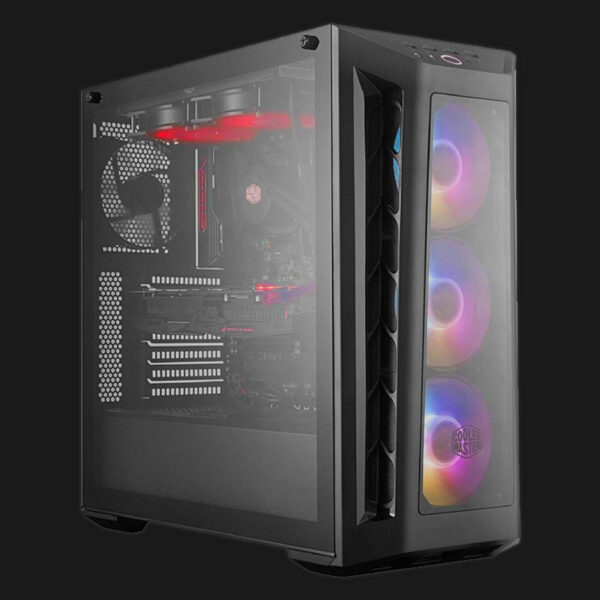
Gamer Barbarian Intel - GameCastle

What happens here is that for an Intel CPU to perform a simple task, it must perform 22 or 31 things, and an AMD CPU only needs to do 12. This means that you have an AMD CPU running at 3.0GHz and an Intel runs at 4.0 GHz, the Intel chip performs less work per. Clock cycle and several cycles. Basically, the Intel chip runs faster in MHz, but does a lot more work for the same result.

This is why Intel and AMD MHz do not agree because there are many other factors that go into calculating the clock. Just because an Intel chip has a faster speed does not mean that it is faster in real-world applications than a slower AMD chip.

Since Intel dumped the Net Burst model for their CPUs, they now use a 14-step pipeline, which is much better. Using multiple pipelines and driving at high times still caused them overheating and other problems. These new Intel CPUs require less power and can operate at cooler temperatures. So here's one for Intel, now just tell AMD they were right all along and I'll be happy. AMD has maintained the 12-step pipeline in their Phenom processors.

Again, this article was just to bring some of the misunderstanding to rest, how AMD and Intel calculated clockwise, and why a slower AMD CPU clockwise could outperform a fast Intel CPU. This is true of the older AMD and Intel CPUs, AMD is losing the speed battle now that Intel has cut the number of pipelines. If you find any of my information inaccurate, please leave a comment or send me an email using my contact form.

How to buy a gaming desktop computer


You want to buy a new gaming desktop computer, but the choices available are overwhelming. Choosing the right gaming PC can be hit or miss. Do you really need all the smart options for the most expensive models? If you reduce your purchase, will you regret it in six months because it does not run the latest game? Here are two important tips to help you make a smart purchase of your next gaming PC.

Best picture

1. Resolution - Whether you are buying a new LCD monitor or using one you already have, make sure your PC supports your LCD's original resolution, and ideally its maximum resolution as well. The original resolution means the number of pixels it supports, without scaling the image up or down. For example, if you Having an LCD with a resolution of 1680 x 1050 pixels, but the video card on your PC does not support this, you will need to scale the image to fit that display, and it will rob you of the image quality.

Gamer Barbarian Intel - GameCastle

2. Interface type - DVI cables usually provide better picture quality than VGA. Make sure the video connectors on the PC match the screen. You can buy converters, but sometimes they do not work and you sacrifice image quality.

Choice of video processing: integrated or expansion card

If you are interested in high end Gamer PC, do not buy a computer with integrated video. This is a cost-saving approach that focuses on price rather than quality. This will probably mean that other components are chosen for price vs. performance. Instead, buy a PC that uses a dedicated graphics card. Google the model number and read reviews, or check tomshardware.com to find out if the card is powerful enough to play the game you want in a given video resolution. Go with a PCI express 2.0 card. If you only play flash-based or Facebook games, embedded video should be good enough.

Saturday, August 29, 2020

Buying jewelry: 3 factors to consider


Buying jewelry for the first time can be stressful if you arrive at the jewelry store unprepared. To avoid unexpected or unpleasant experiences, read our simple guide.

We will take a look at the three most important factors that you need to consider when buying jewelry. First, as in any other endeavor, preparation is critical. We will see some aspects in which they will help you know what to expect. Below we will examine some of the factors that will help you decide whether a particular jewelry seller can be trusted. Finally, we are going to discuss the key points to keep in mind when examining a part or accessory to decide if its price is reasonable.

First, start by gathering information even before entering a jewelry store. Be aware of and understand the terminology jewelers use when naming gemstones, precious metals, or other materials. By knowing all the terminology, you are more likely to understand what it means when you see a product description on jewelry. Second, know your needs, or if you intend to purchase the item as a gift, the preferences of the person who will receive it. Finally, decide how much money you are willing to spend and stick with it. The worst decision you can make is spending too much money on something you don't need.

The second factor to consider is the reputation of the Bijoux vikings. There are several indicators that allow us to judge whether a jewelry is trustworthy or not. The first thing to look for is how long they have been in business. A long history of business transactions means that your customers are satisfied and keep coming back for more. You can ask the store seller to provide you with testimonials or look for them on their website, if they have one. This brings us to our second point. If you plan to shop at a jewelry store online, make sure it is a legitimate business. For one thing, you will see the letters "https" in front of your web address. Please refer to their "About Us" and "Contact" pages to find the phone number or address to contact them if you are not satisfied with your purchase. These simple precautions will help you avoid being scammed.


The last factor to consider is the price of the jewelry or accessories you want to buy. Look for the proper markings on silver, gold, or whatever metal the jewelry is made of. When shopping for gemstone, coral, or pearl jewelry, make sure you understand whether it is natural, man-made, imitation, cultured, or treated. All of this information will help you decide if the price is fair.

These are 3 critical factors to consider when purchasing any type of jewelry. Do your homework first and you will be prepared to ask the right questions when shopping for jewelry. Next, be sure to buy from a trusted and respected source, be it a jewelry retailer or wholesaler. All that remains to be determined is whether the jewelry products you are trying to purchase are priced appropriately in relation to their quality. Keep these 3 factors in mind, and you are more likely to make the right decisions when you need to buy that ring, bracelet or pair of earrings that you or its future owner will love.

What is career coaching about?


There are still many people who don't really have a clear understanding of what Karrierecoaching is or how to choose a career coach. Let's just say it's not uncommon for me to get emails, social media messages, or phone calls asking me about one or the other. So...

What exactly is professional coaching?

She is advocating for you and helping you achieve your ultimate career goals, and your professional coach is with you on that journey.

In a coach / client relationship, you keep the agenda and they give you the help, support, and direction you need to achieve the goals you have in mind, reaching them sooner rather than later when you try to do it all on your own.

Many facets come into play and depending on what your goals are, they will determine the focus of your coaching sessions. An ongoing relationship between the coach and the client strengthens your awareness of what may be holding you back or the obstacles you may be facing, and at the same time helps you focus on the goals you are targeting.


You will be helped to set realistic goals, discover solutions to challenges you may face, develop action plans, establish motivation, and develop self-confidence. You take charge of your career by changing it from what it is today to something you've always dreamed of, being the ultimate goal.

You and your coach share the same end goal that creates and adds excitement throughout the process! The one-to-one partnership experience is a great way to:

receive personalized advice, support and guidance when making career decisions.

determine what steps to take and strategies to use.

Create a personalized plan that will keep you on track to achieve what you set out to do.

What a career coach is not ...

A counselor or therapist. A professional advisor helps you develop skills, while a professional advisor helps clients overcome shortcomings.

Therapy often deals with a person's story and the "whys" behind that story; coaching deals with the future and the "how" to make the future what the client wants it to be.

Those suffering from depression, anxiety, or problems that interfere with life situations should seek professional advice. Career coaches don't tell their clients what to do with their lives.

To benefit from professional coaching, you must be willing to be coached. That is, you are open to new ideas, willing to make changes, receptive to constructive criticism, and willing and ready to act. Seeing the results of your actions is what makes all your hard work and effort worthwhile.

Health and stress management


Stress management is not just an urgent need in today's fast-paced lifestyle, but a major factor in both physical and mental health. It is a psychological approach that teaches people skills to cope with anxiety and stress.

It's about understanding where stress is coming from and finding ways to relieve it, and also managing your life to make it easier and more enjoyable.

Stress management is the application of methods to reduce stress or increase stress tolerance. It should be practiced regularly and is most effective when practiced regularly.

Managing stress means our ability to stay in control when situations, people, and events demand too much of us. It is the key to happiness. It is your ability to effectively handle the pressures you feel at work and at home. It's about knowing your limits.

A complete nutritional approach, combined with proper fitness maintenance and Stressmanagement, is the most important.

Stress management is the application of methods to reduce stress or increase stress tolerance.

Here's why managing your stress is important: Stress wears out your body and can kill you.

Managing stress in the workplace is a great way to ensure that you can get through the workday in peace and then return home with little to no stress on your mind.

The key to stress management is determining the right amount of stress that will give you energy, ambition, and enthusiasm versus the wrong amount that can harm your health and well-being.

One of the first rules of effective stress management is positive thinking and behavior.

It is not clear exactly how exercise helps relaxation and stress management. At work, stress management is very easy when you allow employees to perform tasks that match their skills and interests.


Another stress management strategy is living in the moment. But it's not about putting yourself first at the expense of your family and clients. Fortunately, stress management is largely a learnable skill.

Stress

Stress is your answer to any physical, emotional, or intellectual demand. Managing stress includes eating a healthy diet, exercising regularly, and taking time for uninterrupted relaxation.

Nutrition is an area where stress can be most effectively reduced, because we eat at least 3 times a day every day, so even the slightest of changes could bring significant benefits.

Stress is a normal part of life. It is an inescapable consequence of life and it is not something exclusive to human beings, because animals have it too.

Stress is the body's response to external conditions that are perceived as dangerous, worrying, or irritating.

Although we can't eliminate stress, we can all do a better job managing it. Symptoms of stress can be behavioral or physical. And some people with a chronic illness may find that their illness symptoms flare up under stress overload.

Alternatively, if stress is more the result of one's lifestyle, eliminating the factors that cause it and / or gaining a healthy view on how to relieve stress the right way might be the best thing a person can do for themselves. itself.

More recently, however, it has been argued that external circumstances have no intrinsic capacity to produce stress, but that its effect is mediated by the individual's perceptions, capacities, and understanding.

The model breaks the stress-stress link by proposing that if stressors are perceived as positive or challenging rather than a threat, and if the stressed person is confident that they have adequate rather than poor coping strategies, stress may not necessarily follow. to the presence. of a potential stressful.

The model conceptualizes stress as a result of how a stressor is evaluated and how a person evaluates her resources to cope with it.

The model proposes that stress can be reduced by helping stressed people change their perceptions of stressors, providing them with coping strategies, and improving their confidence in their ability to do so.

Anxiety

Anxiety is stress, tension, and tension that builds up in the body and mind.

Anxiety may be due to feeling that you are not in control. These symptoms can manifest psychologically as irritability, anxiety, lack of concentration, mental confusion, poor judgment, frustration, and anger.

We are aware that people with anxiety disorders have trouble mingling in meetings.

5 keys to effective employee coaching


Rosa Say, author of Managing with Aloha, would agree with the statement that management and leadership go hand in hand. However, understanding the difference and when to be a manager versus a leader is one of the keys to effective coaching.

My email tagline reads: "Lead People, Manage Numbers." Simply put, it means that you need to train people to meet metrics that the company requires or mutually agreed upon during a career development planning session. However, simply looking at the numbers (comparative charts, spreadsheets, and reports) will not lead to success. Only people, who behave responsibly and respectively, can do that.

Because the lines between the roles of coach and manager can become blurred, it is critical that the coaching relationship is established with clear expectations and monitoring steps early on. The Center for Creative Leadership (CCL) has developed a series of podcasts related to individual and team coaching. I've summarized some of the best coaching tips here, all of which I use in my coaching relationships. I encourage you to explore the free CCL podcasts available through iTunes.

1. Expect the best: be prepared to always look for the best in people and in the situation. As they say in Senn Delaney, "assume innocence." Start the coaching relationship with a positive mindset and assume that the person you are training is willing to learn, reflect, and grow.

2. Define what you want: Be explicit about what you both want from the coaching relationship. What do you want to achieve? Make sure your goals match before you begin; if they don't, try to compromise. If that doesn't work, suggest another Mitarbeitercoaching.


3. Clearly define your roles - Be clear about the role of coach vs. manager. If you're in both roles, set signals to indicate when you move from one role to the other. Starting sentences with "Are you ready for training?" or "I would like to talk to you about your performance", define if you are training or directing. However, if you do not play a leadership role, establish whether or not the results of the coaching sessions will be shared with the person's manager. Trust is a critical piece of the coaching relationship and breach of trust is a deal breaker.

4. Self-awareness is non-negotiable: encourage, and indeed insist, that the person you are training develop self-awareness. This is perhaps the hardest step for some people, because the only way you can truly become self-aware is if you ask everyone around you for feedback, they are sincere, and they really listen to them. The best rule of thumb is something like this: "If a man calls you an ass, ignore him. But if three men call you an ass, go out and buy yourself a saddle."

5. Listen First: When the person you are mentoring is reflecting on a negative outcome or experience, ask questions to elicit a thoughtful resolution to the problem rather than giving advice on how to get it right next time. It's much quicker to tell people how to "fix" it, but our peers don't learn by fixing it. I encourage coaching teams to collaboratively develop the solution.

There are times when coaching has to step aside to lead. For example, when an employee resists instructions, infects other team members with negative behaviors, or challenges team or company methodologies. I call this phenomenon "an employee going crazy." In these cases, you should remove your coach hat and put on your boxing gloves from the manger. This can mean anything from having a discussion of clarifying rules and roles to taking disciplinary action. It is extremely important that you adhere to step 3, defining your role as a coach, manager, or both. If you are in both roles, I suggest you find another coach for the person, as changing the management structure is generally not appropriate. The important thing to remember is that coaching is very similar to parenting: there is no perfect method, some are better than others, but it is the people and their relationship that count the most.

Heading straight to burnout


Are you afraid of your work shift? View work as a chore? Or are you overwhelmed and unable to meet your work demands? If so, you may be heading straight for burnout.

Burnout vs. stress

Burnout happens over time and can be devastating. The job you once loved is now a chore and you have become exhausted, cynical, and frustrated. Despite your best attempts, you don't know how to change it. Once you experience burnout, it's hard to go back and not feel that way. That is why it is so important to pay attention to how you feel about your work, to determine if you are beyond the normal level of stress so as not to minimize negative reactions.

It is important to know that burnout is not the same as stress. When you're stressed, you can still be optimistic. You can use healthy coping skills to deal with your stress and wake up a less stressed person. In burnout, your outlook is not bright nor is your energy high; there is no light at the end of the tunnel.

Excessive amounts of stress can lead to Burnout, but unlike stress, where you can lower your stress level overnight, once you're exhausted, that's where it stays.


How could this happen?

If you are exhausted and think "How could it have happened to me? What is wrong with me?" Take the focus off of yourself for a moment. It may not be about you. Did you know that "the structure of work and the organization of work is ultimately a stronger determinant of the incidence of burnout than the composition of the individual's personality?" (Cary Cherniss, Human Services Job Stress) Wow! And Maslach and Leiter in "The Truth About Burnout" provide this possible reason for burnout: "When working in situations of chronic imbalance where the job demands more than it can give and provides less than it needs."

Also, burnout doesn't have to be the result of a high-stress job. Mark Gorkin in his book "Practicing Safe Stress" describes burnout this way: "Just as dangerous (as burnout) is chronic boredom and the constant feeling that you are underused or undervalued at work or that you don't have the opportunity to stretch. the muscles of the mind and body in a significant way. This state gradually leads to latent anger, depression, or exhaustion, just as overwork does out of control. "

So while your workplace has a lot to do with your burnout, it also has a piece. Are you always the person who does the extra work? Are you staying up late, helping your coworkers, and not taking much-needed vacation time? Start by saying no more often and the most important thing is to create a work-life balance.

When you notice that you are often unhappy at work, drained both physically and emotionally, and feeling drained and empty, it is time to reassess your work life. The trick is to recover before you are completely exhausted. As you progress and stop finding fun or satisfaction in your job, STOP and evaluate!